Compostable containers will replace traditional plastic food service containers. We can't keep plastic packaging as it is. Today's composting infrastructure will finally meet the obvious need, and in the future, when we enjoy our delicious meals in
compostable containers, we'll reflect on why it took so long to solve such a simple problem.
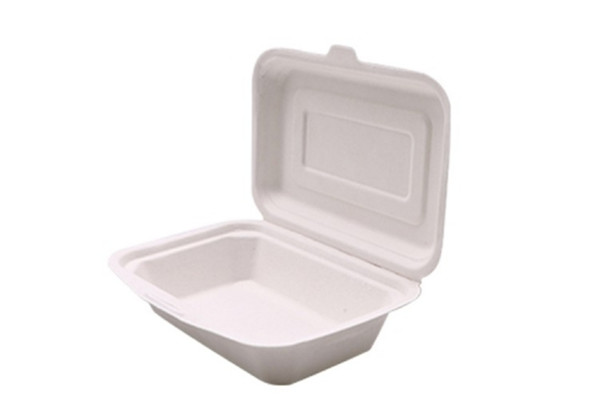 Compostable containers: The development of disposable containers
Many food companies have begun to switch from plastic disposables to
compostable packaging containers made from less toxic and harmful materials. Media attention and non-profit organizations have raised consumer awareness of the negative environmental impact of excessive human consumption of plastic packaging. No longer confined to a remote part of the ocean, we can now witness the devastating effects firsthand, as plastic debris littering every beach in the world, birds and Marine animals ingesting this deadly plastic, and it's slowly moving up our food chain and into our bodies. There is currently four times more plastic in our oceans than plankton. We can no longer ignore this problem and we should all look for solutions.
Use compostable materials
Many bioplastics and materials, such as paper and sugar cane pulp, are compostable. Composting is nature's way of recycling organic matter. Compostable materials are ideal for making disposable food service disposables because such packaging is often contaminated with food scraps. These containers can be disposed of with leftover food scraps, and with very little input they are quickly and naturally converted into compost rich in organic soil.
In fact, these products are not difficult to recycle, and the reason they are not recycled in large numbers is the lack of organic recycling infrastructure. Not only does this affect the efficient recycling of compostable food service packaging, but it also leads to large amounts of organic materials ending up in landfills, contributing to global warming. When it biodegrades in anoxic environment, it produces toxic leachate and methane gas. A greenhouse gas 80 times more potent than CO2.
In recent years, several countries have implemented green waste programs and provided large grants to address the problem. Others choose to simply ignore it, preferring to encourage landfills by making them the cheapest disposal of resources.
Compostable containers are recyclable
Some
compostable packaging containers require specific conditions to decompose within a specified time frame. This seems to have some people concerned that if it doesn't biodegrade in home compost, then it's just greenwashing. While home composting is a positive way to reduce our personal impact on the environment, increasing home composting alone will never solve the problem of organic waste that ends up in landfills. The reason is that more organic waste is produced away from the home environment.
Without the support of consumers, businesses and, most importantly, governments, a country implementing organic recycling will continue at a snail's pace. We need to pay attention to how other countries, both developing and developed, implement laws and regulations to address the issue of disposable plastic food service packaging. We also believe that we need to design for the future and not be trapped by the limitations of the old waste management infrastructure. We all need to put our own interests aside and all parties need to come together to discuss securing our environmental future.
Compostable containers will replace plastic packaging containers for traditional food service applications. We shouldn't continue to surround our planet with plastic. As we enjoy our delicious meals in compostable containers, we may wonder why it took so long to solve such a simple problem. Compostable materials help keep the planet clean and reduce air and water pollution. Hyde provides environmentally friendly products to businesses specializing in the production of certified compostable products that can replace plastics that harm the environment. You can find a range of compostable,
biodegradable packaging containers on our website.
Mark Scarbrough
Food Packaging R&d Manager
Participated in paper product requirements and design reviews for many years, and has rich experience in product performance research
Click to contact me

 Paper Package
 Paper Package
 Biodegradable Tableware


 4367
4367 11
11



 (Saudi Arabia) Submit Demand 45 Minutes Ago
 (Australia) Submit Demand 25 Minutes Ago
 (United Kingdom) Submit Demand 36 Minutes Ago
 (Sweden) Submit Demand 15 Minutes Ago