Today's environmentally conscious consumers want to know how their products are sourced and how far they've come. Because of this, manufacturers and major brands around the world are looking for ways to reduce their impact on the environment. One example is replacing polystyrene with
cornstarch food container.
What is a
cornstarch food container? First, a short science lesson. Cornstarch-based materials are made using fermented sugars, usually cornstarch. These materials are developed using polylactic acid, which, crucially, is biodegradable. However, it still needs to be disposed of properly. These materials cannot be recycled; they need to go into a specific composting facility to be broken down in the right way. Likewise, when they are composted, the conditions need to be correct or the material will not decompose. If these materials are sent to a landfill, the lack of oxygen and light means they will not decompose. They are more environmentally friendly than traditional alternatives, but they need to be disposed of in the right way.
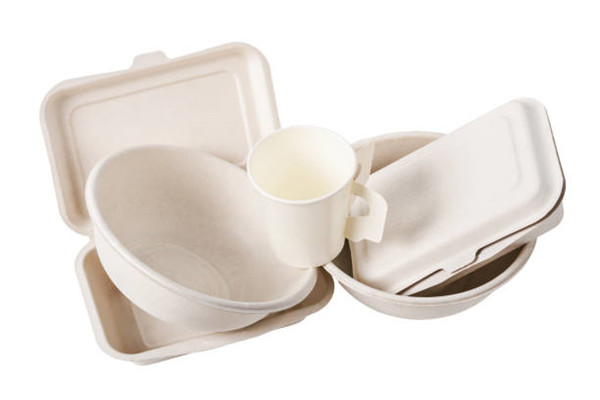
Polystyrene has been the material of choice for packaging materials for many years. Over time, we've gotten used to seeing it everywhere. We'll also see it for many years, considering it takes at least 500 years to decompose. That's why more environmentally friendly alternatives are so desperately needed. Landfills produce unnecessary methane gas that contributes to global warming and climate change. Consumers want to know that the packaging used in the products they buy won't end up in landfills for centuries to come.
Polystyrene breaks down into smaller pieces on these landfills. These fragments are accidentally consumed by nearby wildlife, which die from the release of toxins or stomach blockages. If polystyrene gets into nearby waters, then it usually just accumulates along the shoreline or waterways - negatively impacting marine life. If the debris is heavy enough to sink, then they can contaminate the seabed and harm the wildlife that depends on that ecosystem.
It's been a slow process, but the supply chain is starting to realize that sustainable alternatives like c
ornstarch food container is more than just a PR campaign. Not only do customers genuinely care about their environmental impact, but these changes actually save manufacturers money. The raw material needed, corn, is sustainable, renewable and easy to produce. It does not contain any of the harmful chemicals or toxins commonly found in traditional plastics. The manufacture of corn starch packaging also produces fewer greenhouse gas emissions.
Your business will benefit by switching from polystyrene to
cornstarch food container. Showing that your business is taking decisive action to move to a sustainable process will impress consumers. You will be helping the environment while presenting your business as an attractive and eco-friendly brand to your customers. If you are branded as a socially responsible company that is willing to spend money to implement green processes, then you will ensure that you stand out from the competition. Customers will support businesses that move to more environmentally friendly processes, especially if that business is abandoning something they've been doing for years.
Hydepackage Green Takeaway Cornstarch Food Containers Videos From YouTube
Are you ready to start updating your brand packaging? Then you've come to the right place. Our
cornstarch food container show you how to diversify your packaging, the material options available, and their applications. Click below to contact us now for more information on
cornstarch food container.
Cynthia Jones
Food safety monitor
Provide you with a one-stop solution for paper packaging solutions
Click to contact me

 Paper Package
 Paper Package
 Biodegradable Tableware


 3537
3537 22
22



 (Saudi Arabia) Submit Demand 45 Minutes Ago
 (Australia) Submit Demand 25 Minutes Ago
 (United Kingdom) Submit Demand 36 Minutes Ago
 (Sweden) Submit Demand 15 Minutes Ago