It's no secret that plastic packaging is bad for the environment. However, there are many people who still use plastic bags because it is easier than carrying reusable bags. The best solution to this problem is to choose
biodegradable plastic bag. Many environmental companies offer an alternative to plastic bags --
biodegradable bags, which are not only greener, but also cheaper. Unlike traditional plastics, biodegradable bags don't produce harmful gases, so they can be reused without fear of harming the environment or yourself. As a result, more and more companies are changing their processes or new companies are emerging across the board to provide environmentally friendly solutions.
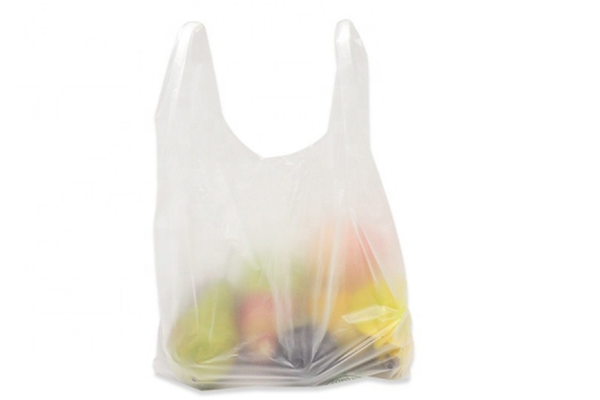 The environmental protection of biodegradable plastic bag
Unlike plastics such as polyethylene, which are made from fossil fuels,
biodegradable bags are made from natural plant materials. Biodegradable bags may decompose, but may leave an inorganic residue. So it's best to look for options made entirely from materials like corn starch that are truly 100 percent compostable in a home composting environment.
Our compostable bags are made from plant-based biomaterials and do not contain polyethylene. After 180 days of composting in the soil, they will decompose into all natural organic compounds - water and carbon dioxide.
Biodegradable plastic bags are made with compost in mind. They are produced from natural materials like plant starches and have the ability to break down over time, limiting the amount of plastic in our oceans and landfills. Biodegradable plastic bags allow materials to be absorbed into the earth and are estimated to take hundreds of years to decompose in the environment. That's not to mention the damage that microplastics from the earth and potentially accomplish in our oceans when plastic bags break.
Unlike most synthetic bags, biodegradable bags break down over time -- they don't stay in the environment for hundreds of years. Compost bags go one step further. They break down into natural and inert ingredients in a natural soil environment (or in your home composting system). Essentially, they become organic fertilizer -- which can help your garden thrive.
Biodegradable plastic bags in daily life
How many of these bags do you use in your home each week? Garbage bags, dog poop bags, shopping bags, food bags, etc. It's possible that we're not even fully aware of the plastic bags we're actually using. This short list of public places is all the opportunities to use biodegradable plastic bags on a very regular basis. It's often hard to limit our use of single-use plastic, instead using compost garbage bags or
biodegradable shopping bags, and it becomes easier to get to the core of one of our biggest plastic pollutants.
These cocoa biodegradable plastic bags are better for our environment. If we don't start taking steps to protect our planet now, we can find ourselves without a healthy living environment. The New York Times even has a picture of seven years to reverse the irreparable damage that our industry has caused to our environment. Taking something as simple as biodegradable bags and incorporating them into our daily lives is one simple step we can take to protect our planet and ensure a quality home for generations to come.
We should all try to use a
biodegradable plastic bag instead of a traditional plastic bag. We should reject, reduce, reuse, repair and recycle to reduce waste and keep our planet healthy and clean. But where we do need to use plastic bags, we should make sure we always choose the more
environmentally friendly biodegradable bags.
Eric Hartell
Paper product monitor
Engaged in the quality and safety supervision of paper products, monitor product quality and safety risk
Click to contact me

 Paper Package
 Paper Package
 Biodegradable Tableware


 4055
4055 15
15



 (Saudi Arabia) Submit Demand 45 Minutes Ago
 (Australia) Submit Demand 25 Minutes Ago
 (United Kingdom) Submit Demand 36 Minutes Ago
 (Sweden) Submit Demand 15 Minutes Ago